
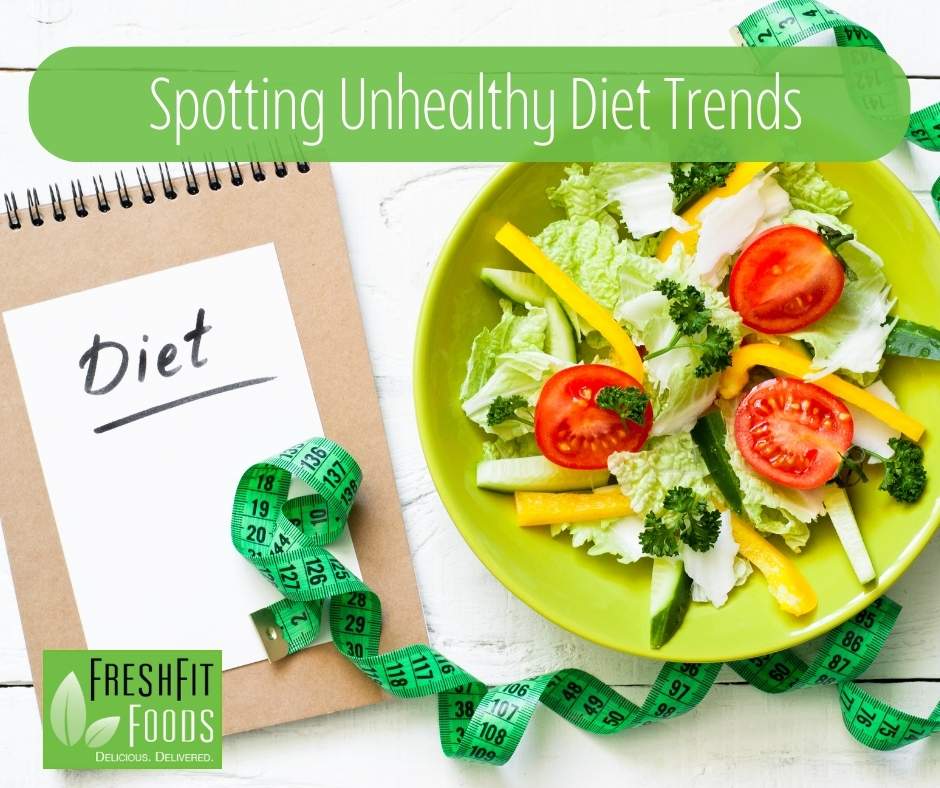
Every year, a new diet trend pops up promising fast weight loss, instant energy, or a total body reset. And every year, people jump in with high hopes, only to feel frustrated, deprived, or right back where they started a few weeks later.
 These trends often spread quickly on social media, fueled by dramatic before-and-after photos and bold claims that seem too good to ignore. So how can you tell the difference between a smart nutrition choice and a diet trend that’s more hype than help?
One of the biggest red flags is the promise of dramatic results in an unrealistically short amount of time. If a plan claims you can “lose 10 pounds in a week” or “burn fat without changing how you eat,” it’s likely setting you up for disappointment.
Rapid weight loss is often due to water loss or extreme calorie restriction, not real, lasting change. Sustainable health takes consistency, not shortcuts, and extreme promises usually come with extreme restrictions that are impossible to maintain long-term.
Another common warning sign is the elimination of entire food groups. When a diet tells you to completely cut out carbs, fats, fruits, or other major categories of food, it’s often a sign of imbalance. Your body needs a variety of nutrients to function properly, including carbohydrates for energy and healthy fats for brain and hormone health.
Removing entire food groups can lead to nutrient deficiencies, low energy, mood swings, and intense cravings that eventually derail your progress and leave you feeling worse than when you started.
Bad diet trends also love buzzwords. Terms like “detox,” “cleanse,” or “miracle metabolism hack” sound impressive, but they often lack real scientific backing. Your body already has built-in systems, like your liver and kidneys, that detox naturally.
If a diet can’t clearly explain why it works beyond vague claims, flashy marketing, or influencer testimonials, that’s a sign to be cautious. Nutrition shouldn’t feel like a secret formula only a few people understand.
Another key indicator of a bad diet trend is how it makes you feel emotionally. A healthy approach to food should support your life, not dominate it. If a diet causes anxiety around meals, guilt after eating, or fear of breaking the rules, it’s not sustainable. These plans often encourage an all-or-nothing mindset that leads to cycles of restriction and overeating, which can damage your relationship with food over time.
It’s also worth questioning any diet that claims to work for everyone. No two bodies are exactly alike. A major warning sign is when a diet ignores individual differences like lifestyle, age, activity level, or health needs. Real nutrition is flexible and adaptable, allowing room for balance, preferences, and real life.
Instead of chasing the latest diet trend, the best approach is often the simplest one: balanced meals made with real, nourishing ingredients. Eating healthy doesn’t have to mean counting every macro, cooking every meal from scratch, or following complicated rules that leave you overwhelmed.
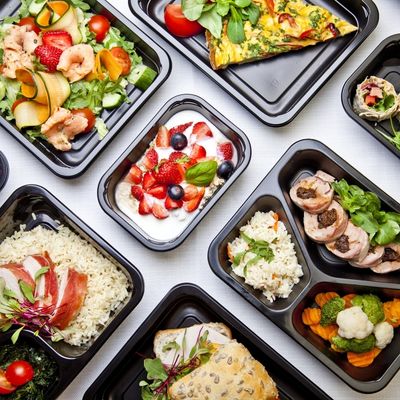
With Fresh Fit Foods, you can skip the trends altogether and eat healthy the easy way. Our healthy, prepared meals take the guesswork out of eating well by providing thoughtfully portioned, nutritionally balanced options that fit seamlessly into your routine. No stress, no restriction, and no burnout, just consistent, feel-good nutrition that actually lasts.