

A gluten-free diet has become one of the most popular approaches to healthy eating in recent years. Originally designed for people diagnosed with Celiac Disease, this style of eating has expanded. It now includes individuals with Gluten Sensitivity, digestive discomfort, and those who want to improve their overall wellness.
While the benefits can be significant, starting a gluten-free diet can feel intimidating. Gluten often hides in unexpected foods, and ingredient labels can be confusing.
Health Benefits of a Gluten-Free Diet
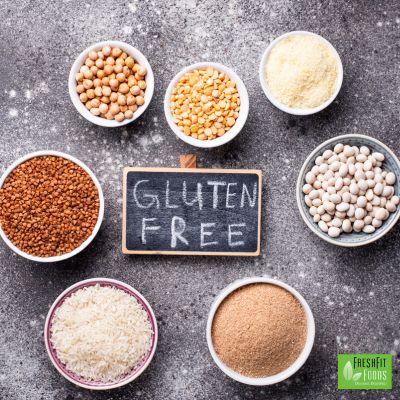 When followed correctly, a gluten-free diet can provide meaningful health benefits. Individuals who avoid gluten due to medical conditions often experience improved digestion and reduced inflammation. Energy levels may increase as the body becomes better able to absorb essential nutrients.
Many people also find that removing heavily processed foods from their diet naturally leads to healthier eating habits. Whole foods such as fruits, vegetables, lean proteins, and gluten-free grains become the foundation of daily meals, supporting overall wellness.
However, it is important to remember that gluten-free does not automatically mean healthy. Some packaged gluten-free products contain high levels of sugar, refined starches, and additives that may not support long-term health.
Foods That Naturally Fit a Gluten-Free Diet
One of the biggest misconceptions about a gluten-free diet is that it is restrictive. In reality, many nutritious foods are naturally gluten-free and can form the foundation of a balanced diet.
Fresh fruits and vegetables are naturally gluten-free and provide essential vitamins, minerals, and fiber. Lean protein sources such as chicken, fish, turkey, eggs, and legumes also fit comfortably into a gluten-free lifestyle. Healthy fats, including avocados, olive oil, nuts, and seeds, contribute important nutrients while supporting overall health.
By focusing on whole, minimally processed foods, individuals can maintain a nutritious and satisfying gluten-free diet without sacrificing variety or flavor.
Cooking Gluten-Free Meals at Home
Preparing meals at home is one of the most effective ways to maintain a gluten-free lifestyle. Cooking your own food allows full control over ingredients and reduces the risk of accidental gluten exposure.
Many traditional recipes can easily be adapted by replacing wheat-based ingredients with gluten-free alternatives. Almond flour, coconut flour, rice flour, and gluten-free baking blends are commonly used substitutes that help recreate familiar textures and flavors.
When gluten is present in the household for other family members, preventing cross-contamination becomes important. Separate cutting boards, utensils, and storage containers can help ensure gluten-free foods remain safe for those who need them.
With a little creativity and preparation, home cooking can make a gluten-free diet both enjoyable and nutritious.
One of the most common challenges of maintaining a gluten-free diet is the time required for meal planning. For busy professionals, families, and individuals with active lifestyles, preparing every meal from scratch can quickly become overwhelming.
Healthy prepared meals provide a convenient solution. Services that specialize in nutritious meal preparation can help individuals stay consistent with their dietary goals while saving time each week.
Fresh Fit Foods focuses on creating balanced meals with high-quality ingredients and thoughtful preparation. By offering ready-to-eat meals that align with healthy eating principles, we make it easier for people to maintain a gluten-free lifestyle without the stress of constant meal preparation.
Prepared meals can help eliminate uncertainty around ingredients, reduce time spent in the kitchen, and support consistent nutrition. For many individuals, this convenience makes sticking to a gluten-free diet far more manageable in the long term.
By combining balanced nutrition with thoughtful meal preparation, Fresh Fit Foods helps make gluten-free eating simple. Contact us to learn about our prepared meal delivery and menu options.