
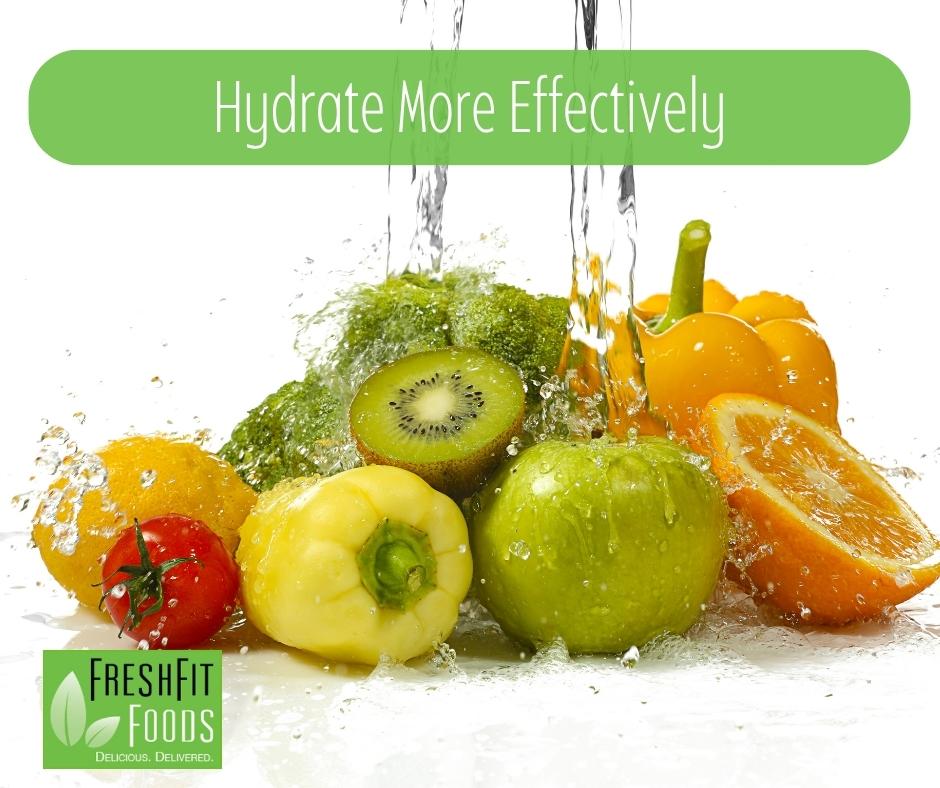
Many fruits, vegetables, and everyday foods contain surprisingly high levels of water and nutrients that support healthy hydration. When most people think about staying hydrated, they picture a tall glass of water. While water is essential, it is not the only way to support your body’s fluid needs.
In fact, some foods can hydrate the body more effectively than water alone because they also provide electrolytes, vitamins, and minerals.
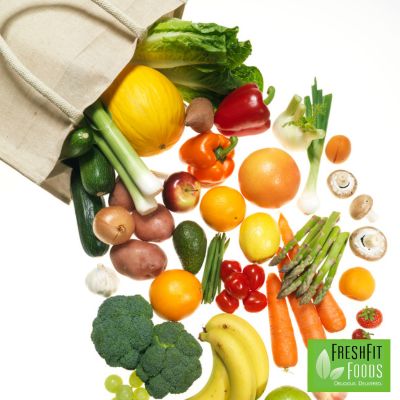 Hydration affects nearly every system in the body. Proper fluid balance supports digestion, brain function, circulation, skin health, and energy levels. Even mild dehydration can lead to fatigue, headaches, poor concentration, and muscle cramps. That is why understanding the role of hydrating foods can make a real difference in your daily wellness routine.
Fruits are among the best natural sources of healthy hydration. Watermelon, for example, contains over 90 percent water, making it one of the most refreshing foods during warm weather. It also provides potassium and magnesium, which help maintain electrolyte balance.
Strawberries, oranges, and grapefruit are also excellent choices because they combine high water content with vitamin C and antioxidants. Eating these fruits regularly can support healthy hydration and boost immune health.
Cucumbers are another hydration powerhouse. Made up of about 95 percent water, cucumbers are light, crisp, and easy to add to salads, wraps, or snacks. Their high water content helps replenish fluids, while their low calorie count makes them a smart choice for people focusing on overall wellness.
Lettuce, celery, zucchini, and tomatoes offer similar benefits and can be easily incorporated into meals throughout the day.
Yogurt may not seem like an obvious food for healthy hydration, but it can contribute significantly to fluid intake. Plain yogurt contains a large amount of water along with protein, calcium, and probiotics that support gut health. Greek yogurt is slightly lower in water content due to its thicker texture, but it still helps with hydration while keeping you fuller longer.
Not all foods help the body stay hydrated. Some foods have the opposite effect. Highly processed snacks such as chips, crackers, and fast food often contain high levels of sodium. Too much salt causes the body to retain water unevenly and may increase thirst.
Sugary desserts and candy can also contribute to dehydration because high sugar levels require additional water for digestion and processing.
Caffeinated beverages and alcohol are often misunderstood when it comes to hydration. Coffee and tea can still contribute to daily fluid intake, but excessive caffeine may have a mild diuretic effect in some people. Alcohol is more dehydrating because it increases fluid loss and can interfere with the body’s ability to regulate hydration. Pairing these drinks with water-rich foods can help reduce their impact.
Another important part of healthy hydration is balance. Drinking too much water without replacing electrolytes can sometimes dilute sodium levels in the body. This is especially important for athletes or people who sweat heavily. Foods like bananas, avocados, spinach, and coconut water naturally provide potassium and other minerals that support proper fluid balance.
Seasonal eating can also naturally improve hydration. During summer months, fresh berries, melons, cucumbers, and citrus fruits are widely available and perfect for hot weather. In colder seasons, soups, stews, pears, and cooked vegetables can provide both warmth and moisture. Choosing foods based on seasonal availability often means fresher produce and better nutrient quality.
Some people struggle to drink enough plain water throughout the day, making fruits and vegetables a more accessible and enjoyable option. Smoothies, fruit salads, yogurt bowls, and vegetable-rich meals can increase fluid intake without feeling like a chore.
In the end, healthy hydration is about more than just drinking water. The foods you eat play a major role in maintaining fluid balance and supporting your body’s daily functions. By choosing water-rich fruits, vegetables, and nourishing meals, you can build a smarter approach to healthy hydration that supports both health and enjoyment.